simplifiying the sales journey
reducing complexity by removing the number steps needed to check out
project background
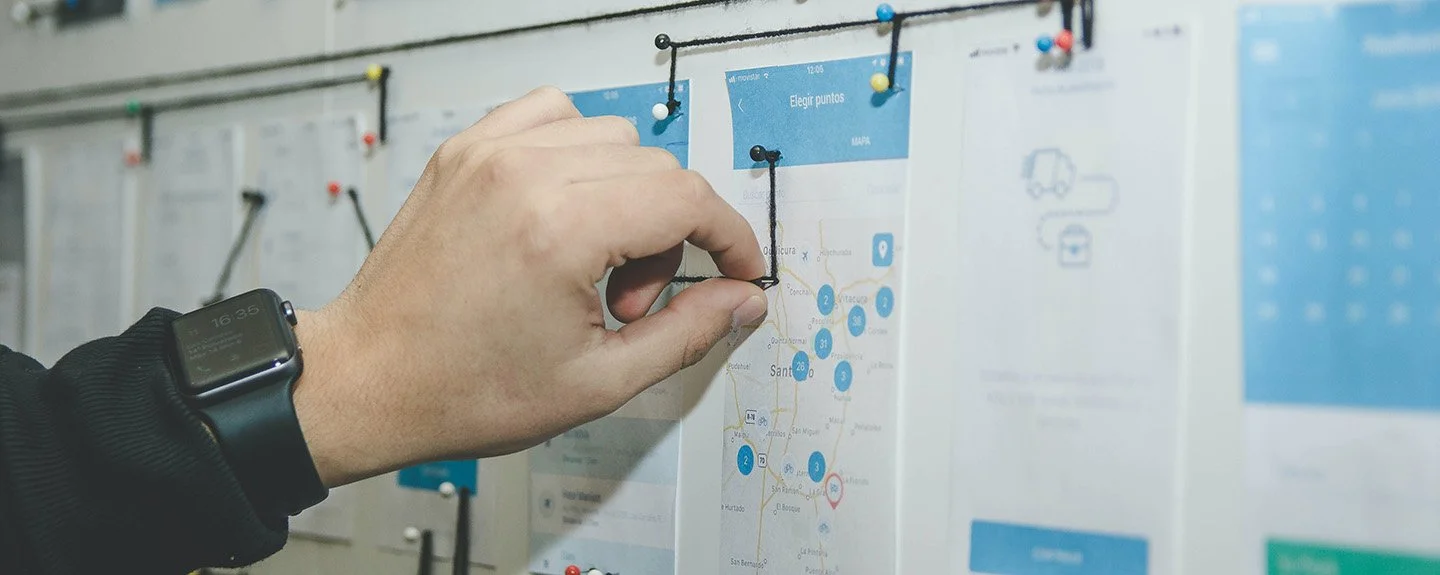
I was contacted by the ecommerce manager to reduce the number of page exits on site. Through a combination of Google analytics monitoring and recordings with HotJar it became clear that users who did not want to purchase multiple products on the site were not making it to the check out stage. Userflow diagrams were designed and presented to the business which showcased the new journey single product customers could take to speed up their checkout process. Once approved, the journeys were turned into prototypes that were tested with a small group of customers to tweak the UI and language displayed. Following testing the prototypes were delivered to the development team for deployment on the website.
Client
Play Travel
Period
2021-2022
improving the customer journey
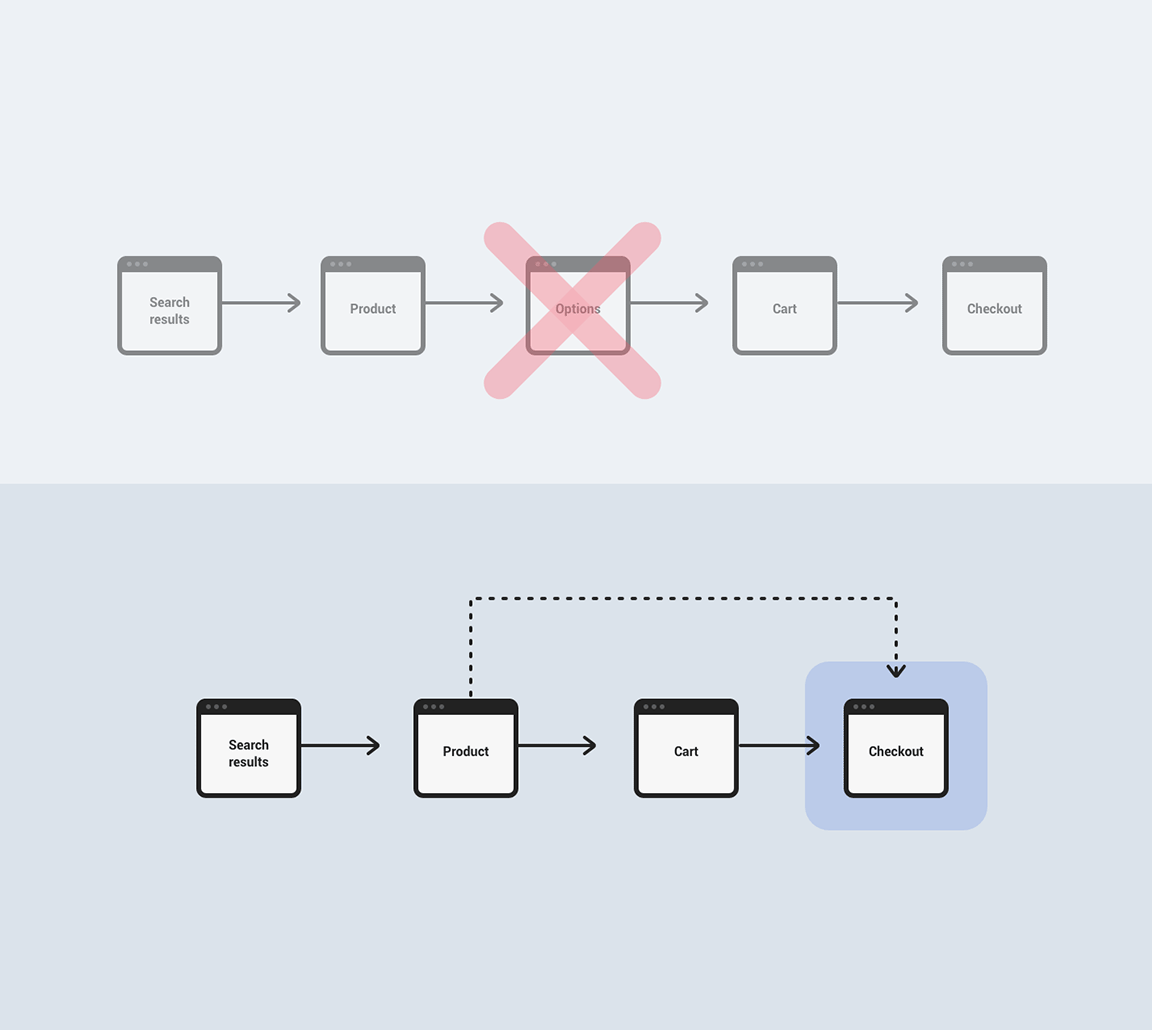
Following analysis of the Google analytics data and HotJar recordings, a new user flow was identified and presented to the business for feedback and approval.
Key improvements in the flow were the addition of a new shortcut feature enabling the user to skip straight to checkout earlier in the sales journey, and the removal of an additional webpage for product configuration that could be combined into an existing view on the site.
building interactive prototypes and testing
Following approval of the new user flow, a session to confirm all feature requirements was held with relevant stakeholders and a prototype of the new page views was designed.
Once the layout had been confirmed, interactions were layered on top to allow for user testing and feedback. Testing was run through an automated tool and the results played back to the business upon completion.
close collaboration with development teams
Once all designs were approved the project moved to development teams to implement on the production website. Daily meetings, video calls and one-to-one chats were all required to solve problems that arose in the application of the design to the production code on site. The design system components were tweaked slightly where needed and that code was then fed back into the library to update.